Dear Clients:
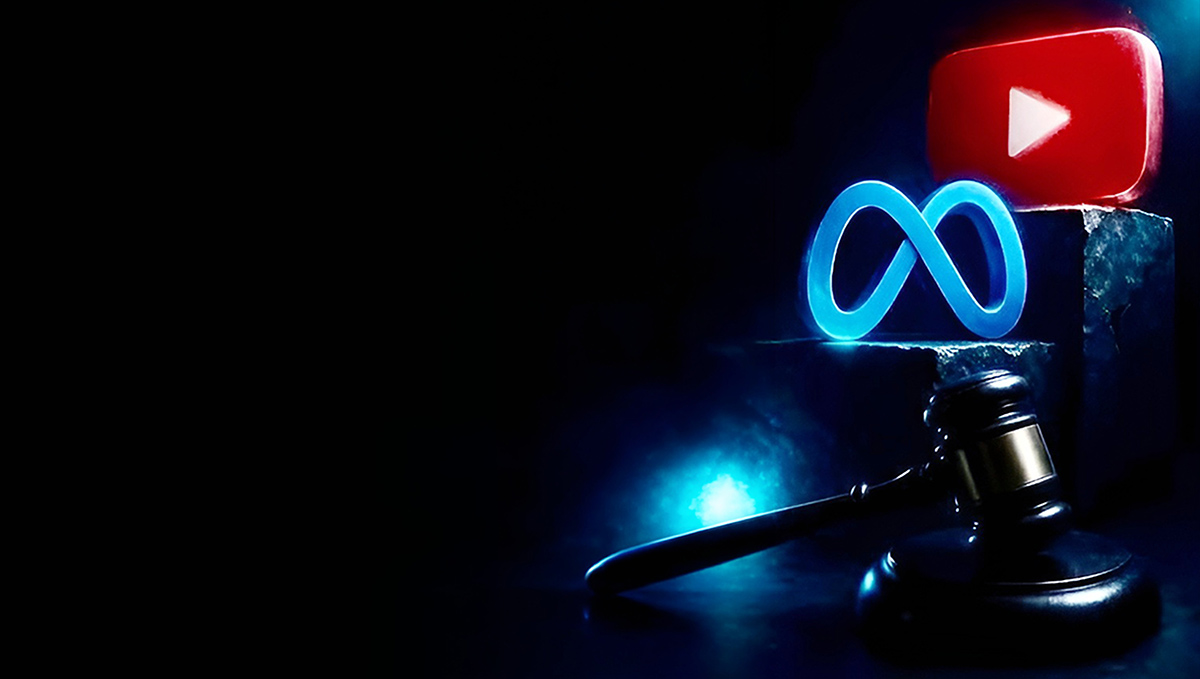
We are sharing a summary of recent court decisions involving two tech giants, Meta (owner of Instagram, Facebook, and WhatsApp) and Google (owner of YouTube), regarding social media addiction and the legal implications that may arise from such conduct. These rulings set an important precedent for the digital sector and the protection of users’ rights.
- Meta and Google Held Liable in Social Media Addiction Trial
Recently, a U.S. court issued landmark rulings in which Meta and Google were held liable for social media addiction. In this trial, it was alleged that both companies had designed these platforms, fostering an addiction that is harmful to users, particularly adolescents, in terms of mental health and well-being.
According to the ruling, both companies will be held liable for the harm caused by their algorithms and design features that promote excessive and, in many cases, compulsive use of social media. This ruling is a significant step in the regulation of big tech, opening the door to potential similar legal actions in other countries, including Mexico.
- Implications for Intellectual Property and Digital Regulation
From a legal and intellectual property perspective, these cases highlight several key issues that could have a direct impact on legal and business strategies in the digital sphere:
- Liability for Technological Design: The ruling underscores the liability of digital platforms for the design of their interfaces and algorithms. Technology companies may be forced to adjust their product development strategies to prevent psychological harm to users, which could involve creating new privacy policies and informed consent procedures.
- Consumer Protection and Personal Data: While Mexican legislation already includes regulations for the protection of personal data (such as the Federal Law on the Protection of Personal Data Held by Private Parties), this type of ruling reinforces the need for companies to implement additional protective measures, preventing excessive manipulation of users.
- Impact on International Regulation: Such rulings could influence future laws and regulations aimed at balancing the use of technologies with the protection of users’ rights, such as the Digital Platforms Liability Act currently under discussion in several countries.
- Implications for the Business Sector in Mexico
For Mexican companies, especially those involved in the digital and technology sectors, it is crucial to stay informed about these developments, as they could influence how technology products are developed and operated. New regulations may emerge regarding the ethical design of platforms and companies’ responsibility for the effects their products have on users.
The ruling also underscores the importance of having clear policies on data handling and transparency in the collection and use of personal information. In this regard, companies must be prepared to adapt to a stricter legal environment, not only in Mexico but also internationally.
Social Media Use by Minors and Adolescents
In Mexico, legislation regarding the use of social media and digital applications by minors is constantly evolving. The General Law on the Rights of Children and Adolescents establishes that minors have the right to be protected against any form of online abuse or exploitation, including the risks associated with excessive use of digital platforms. In addition, the Federal Law on the Protection of Personal Data Held by Private Parties regulates the processing of minors’ personal data, requiring explicit consent from parents or guardians to collect and process information about them. However, despite these advances, regulation in Mexico still faces challenges in comprehensively addressing the risks associated with digital addiction among minors and adolescents.
This recent ruling by a U.S. court, which holds Meta and Google liable for fostering social media addiction, should serve as a crucial precedent for all countries, including Mexico. The ruling reinforces the need for stricter regulation that protects the most vulnerable users, such as minors, and promotes a safer and healthier digital environment for everyone. Undoubtedly, such judicial decisions lay the groundwork for the creation of more robust public policies at an international level, seeking to benefit users, especially those who are most susceptible to the negative effects of excessive use of social media platforms.
We are committed to continuing to monitor these developments and providing you with the necessary guidance so that you can make informed decisions within this constantly evolving legal landscape.
We remain at your disposal for any questions or additional inquiries.
|
Fernando Hernández Gómez | Senior Partner Mergers & Acquisitions, Foreign Trade/Intellectual Property +52 (33) 38171731 Ext. 225 | fhernandez@vahg.mx |
Mariana González Sánchez | Partner
Intellectual Property +52 (33) 38171731 Ext. 222 | mgonzalez@vahg.mx |
Martín Arias Cuevas | Associate
Intellectual Property
+52 (33) 38171731 Ext. 236 | ariascuevas@vahg.mx
**The publication of this document does not constitute legal, accounting or professional advice of any kind, nor is it intended to be applicable to particular cases. This document refers to laws applicable in Mexico.