

info@vahg.mx
Andares Corporativo Paseo Blvd. Puerta de Hierro No. 5153, Zapopan, Jalisco

Síguenos:

Find out our latest News and Publications

Get the latest news
dia-internacional-pueblos-indigenas

Introduction

August 9 marks the International Day of Indigenous People, a date to reflect on the respect, protection and recognition of the cultures, traditions and rights of indigenous people worldwide. In Mexico, this day is especially significant due to the cultural richness that indigenous people represent in our country. However, one of the most important challenges they face is the protection of their cultural expressions, traditions and ancestral knowledge from abuse and misappropriation.

In this context, it is relevant to analyze the legal framework and initiatives that seek to guarantee the protection of copyrights on indigenous expressions, as well as the growing importance of Collective Intellectual Property (CIP), which offers a fundamental tool for the defense of their cultural and patrimonial rights.


Copyright of Indigenous Expressions in Mexico

Mexico’s Federal Copyright Law recognizes the need to protect literary, artistic and scientific creations, but, historically, the expressions of indigenous people have been marginalized within this legal framework. Indigenous songs, dances, oral traditions, weavings and other forms of cultural expression have not always enjoyed the same protection as the creations of individual authors. This is partly due to the lack of recognition of the collective and communal nature of these expressions, which do not always conform to the concept of individual authorship that prevails in the traditional copyright system.


Recently, Mexican legislation has taken important steps to recognize and protect indigenous cultural expressions within the Intellectual Property System. The Copyright Law establishes that, in the case of the expressions of indigenous people, copyright ownership corresponds to the community, and not to an individual, in recognition of their collective and ancestral character.

In addition, the National Copyright Institute (INDAUTOR) has begun to promote more inclusive mechanisms to register and protect the collective works of indigenous people, as part of a broader strategy for the defense of their cultural heritage.


Collective Intellectual Property: A Comprehensive Approach to the Protection of Indigenous Rights

Collective Intellectual Property (CIP) as previously mentioned, is a concept that has gained prominence in recent years and is a crucial legal avenue for protecting the knowledge and cultural expressions of indigenous communities. This approach recognizes that creations do not belong to an individual author, but to the community. The CIP becomes, therefore, a tool that seeks to guarantee the control and responsible use of the knowledge and cultural expressions that belong to indigenous communities.


In Mexico, important steps have been taken to incorporate the principles of CIP into legislation. In 2020, the Mexican Congress approved the Amendment to Article 2 of the Mexican Constitution, recognizing the Collective Rights of Indigenous People over their cultural heritage, which includes the protection of their knowledge, languages, religious practices, art and sciences. This Amendment laid the groundwork for greater inclusion of CIP in the legal protection of indigenous communities.


Recent Initiatives and Projects in this Field

At a national level, several institutions and civil society organizations have begun to work on strengthening the rights of indigenous peoples in the field of Intellectual Property.

Some noteworthy initiatives include:

  1. The Project for the Protection of the Rights of Indigenous People on their Intellectual Property of the National Commission for the Development of Indigenous Peoples (CDI), which seeks to promote the legal protection of indigenous cultural expressions and encourage the inclusion of these communities in the Intellectual Property System.


  1. The Alliance for the Protection of Traditional Knowledge between several indigenous people and international organizations, which has allowed the creation of databases for the registration of their knowledge and cultural expressions, facilitating their protection against commercial exploitation without consent.


  1. The implementation of the Digital Platform for the Registration of Indigenous Knowledge and Expressions, created by INDAUTOR, which allows indigenous communities to register and protect their collective works, such as music, art, dances and languages, with the support of specialized legal advisors.


Despite the progress made, several challenges persist in the effective protection of the rights of indigenous people over their cultural expressions. One of the main obstacles is the lack of knowledge and awareness of Intellectual Property Rights within indigenous communities themselves, as well as the limited capacity of national authorities to effectively implement and enforce legal frameworks.

Another major challenge is the misappropriation of traditional knowledge, especially in industries such as pharmaceuticals, fashion and entertainment, where companies often exploit the cultural resources of indigenous communities without obtaining their consent or offering fair compensation.

In conclusion, on the International Day of Indigenous People, it is fundamental to remember that the protection of copyrights and Collective Intellectual Property is not only a legal issue, but also a matter of social and cultural justice. Mexico, as a country with a great diversity of indigenous peoples, has the responsibility to continue strengthening its regulatory framework to ensure that indigenous communities can effectively protect their cultural expressions and be the holders of the benefits derived from their ancestral wealth.


At VAHG, we have extensive experience in the field of Intellectual Property and Copyrights, especially in the protection of cultural expressions and traditional knowledge of indigenous people. Our Firm offers legal advice and comprehensive management services for the protection of collective cultural heritage, providing our clients with specialized support in the registration and defense of their rights. If your community or institution needs guidance on how to safeguard your cultural expressions within the Mexican legal framework, please do not hesitate to contact us. We will be pleased to help to ensure the protection and acknowledgement of your Intellectual Property Rights.


Fernando Hernández Gómez | Senior Partner

Intellectual Property

+52 (33) 38171731  Ext 225 | fhernandez@vahg.mx

Mariana González Sánchez | Partner

Intellectual Property

+52 (33) 38171731 Ext 222 | mgonzalez@vahg.mx


Martín Arias Cuevas | Associate

Intellectual Property

+52 (33) 38171731 Ext. 236 | ariascuevas@vahg.mx


**The publication of this document does not constitute legal, accounting or professional advice of any kind, nor is it intended to be applicable to particular cases. This document only refers to laws applicable in Mexico.



tequila-2025

Heritage Identity, Economic Engine and Legal Challenges

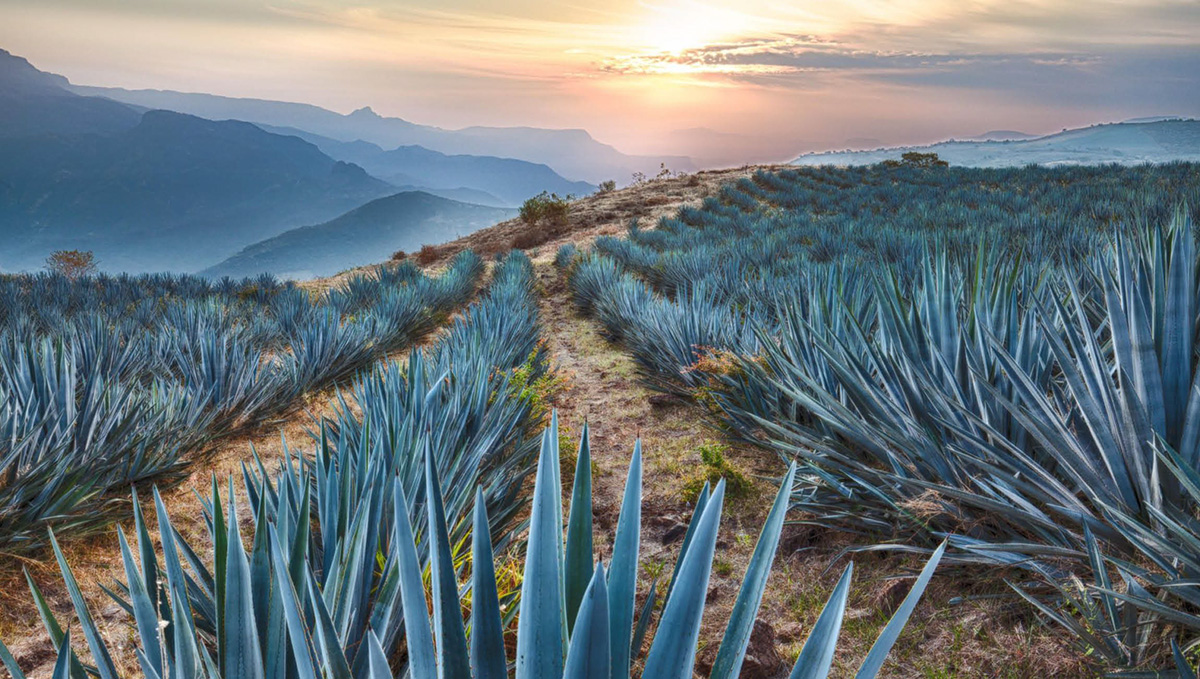
Every July 24, the World celebrates International Tequila Day, a commemoration that recalls when UNESCO declared, in 2006, the agave landscape and industrial facilities of Tequila, Jalisco, a World Heritage Site. This date recognizes not only the cultural value of tequila, but also its economic relevance and complex international regulation.

In the 20th century, key steps were taken for its protection and regulation, such as the Tequila Denomination of Origin (DOT) in 1974 and the Tequila Regulatory Council (CRT) in 1994, essential frameworks for the protection, standardization and promotion of the national product in Mexico and at a global level.

Production 2024: A Year of Historic Figures

The end of 2024 showed an outstanding scenario for the tequila industry. To capture this year in figures, here are a few numbers:

Production: 495.8 million liters of tequila were produced.

Agave Consumption: On the part of the agro-industrial sector, 1.8 million tons of Agave Tequilana Weber of the Blue Variety, raw material for Tequila, were cultivated.

– Exports: 400.3 million liters were exported, mainly to the United States, which increased its consumption from 321.6 to 334.9 million liters (4.1%).

Productive links: At the end of 2024, 206 tequila companies were in operation, 42,441 agave producers and 2,991 brands registered for Tequila.

DOT Protection: currently recognized in 57 countries, with projected expansion to the United Arab Emirates, Paraguay, South Korea, Angola and OAPI.


Current Outlook: Sustainability and Agribusiness Challenges

Although the industry has a solid inventory with more than 500 million liters in warehouses, it faces problems of overproduction of agave that have generated market imbalances and price volatility. However, the CRT and producers have implemented strategic planning focused on sustainability, with clear goals for 2030 and constant analysis of environmental indicators.

In addition, the opening of new markets has been promoted, especially Asia and Africa, and international promotion measures have been strengthened to consolidate Tequila as a high quality, authentic and sustainable beverage.

The integration of the productive sector, the CRT and authorities from the three levels of government is essential to maintain tequila’s competitiveness and safeguard its cultural and commercial values.

International Tequila Day is, above all, an opportunity to celebrate a beverage that represents the soul of Mexico, its cultural richness and its great economic weight worldwide. The impressive closing of 2024, with almost 500 million liters produced, demonstrates the strength of the sector, although not exempt from logistical, environmental and market challenges.

Our Firm is an expert in the Tequila Industry, providing legal advice on Intellectual Property, Corporate Law, Mergers and Acquisitions, as well as on Regulatory, Tax and Foreign Trade Matters. We accompany our clients at all times, throughout the entire Tequila value chain, from the field to the international markets, offering them legal security with innovative strategies and solutions focused on sustainable growth and the protection of Tequila as Mexico’s National Heritage.

At VAHG, we are happy to celebrate this day and we are deeply committed to the Tequila Industry. If you would like to receive specialized advice on any of our Tequila Industry Practices mentioned above, please contact our Attorneys.


Fernando Hernández Gómez | Partner

Mergers & Acquisitions/Propiedad Intelectual

+52 (33) 38171731  Ext 225 | fhernandez@vahg.mx

Mariana González Sánchez | Partner

Intellectual Property

+52 (33) 38171731 Ext 222 | mgonzalez@vahg.mx


Martín Arias Cuevas | Associate

Intellectual Property

+52 (33) 38171731 Ext. 236 | ariascuevas@vahg.mx


**The publication of this document does not constitute legal, accounting or professional advice of any kind, nor is it intended to be applicable to particular cases. This document only refers to laws applicable in Mexico.

reforma-ley-antilavado

On July 16, 2025, relevant amendments to the Federal Law for the Prevention and Identification of Operations with Illicit Resources (LFPIORPI) and the Federal Criminal Code were published in the Official Gazette of the Federation (DOF). These reforms came into effect on July 17, 2025, and aim to strengthen Mexico’s legal framework for the prevention of money laundering and terrorist financing, in line with the latest international standards.


Key Changes

  1. Expansion of Vulnerable Activities.
  • New transactions in the real estate sector are included, such as construction activities and the receipt of funds for real estate developments.
  • Cryptocurrency transactions originating abroad but directed at Mexican citizens are now subject to reporting obligations.
  1. New Thresholds for Virtual Assets.
  • The reporting threshold is reduced from 645 to 210 UMAs per transaction (approximately MXN $23,700.00).
  • Any transaction generating a commission greater than 4 UMAs must be reported, regardless of the transaction amount.
  1. Adjustments for Public Notaries and Commercial Notary Public.
  • A unified regulatory framework is established for Notary Public and Commercial Notary Public, eliminating prior regulatory discrepancies between both types of obligated entities.
  • New reporting thresholds are introduced, such as for the incorporation of legal entities and the creation of trusts: reporting is now required for amounts starting at MXN $452,500.00.
  1. Client and Beneficial Owner Identification.
  • Requirements to directly identify clients and collect official documents are reinforced.
  • In the case of legal entities and trusts, the beneficial owner must be precisely identified.
  1. Redefinition of Beneficial Owner.
  • A beneficial owner is now defined as any person holding more than 25% of direct or indirect ownership (previously 50%).
  • The concept is aligned with the terms “ultimate beneficiary” and “actual owner.”
  1. Record-Keeping Obligations.
  • The retention period for documentation is increased from 5 to 10 years.
  1. Mandatory Training.
  • An annual training program is required for key personnel, including management and compliance officers.
  1. Changes to the Sanctions Regime.
  • The requirement of intent is eliminated for certain violations, allowing sanctions for negligent omissions that were not timely corrected.
  • The Ministry of Finance and Public Credit (SHCP) may alert the competent authority in case of compliance deficiencies, particularly regarding notaries and public brokers.


At VAHG, we are ready to help our clients adapt to this new regulation. We are committed to providing ongoing advice while identifying and mitigating risks that may affect their businesses. Our legal services cover a range of areas, including:


✅ Review and update of internal policies.

✅ Identification of beneficial owners.

✅ Preparation of compliance manuals.

✅ Specialized training for your team.

✅ Preventive legal advice and response to regulatory requirements.


In case you need advice, please contact any of our Compliance & Due Diligence Lawyers:


Elvia Ríos Saldaña | Partner

Compliance  & Due Diligence

+52 (33) 38171731  Ext 228 | erios@vahg.mx


Luis Andrés Estrada Intriago | Senior Associate

Compliance & Due Diligence

+52 (33) 38171731 Ext 224 | lestrada@vahg.mx

Fernando Hernández de la Torre | Associate

Compliance & Due Diligence

+52 (33) 38171731 Ext 237 | fhdelatorre@vahg.mx


**The publication of this document does not constitute legal, accounting or professional advice of any kind, nor is it intended to be applicable to particular cases. This document only refers to laws applicable in Mexico.

vahg-joint-ventures

Joint Ventures in Mexico: Opportunities and Relevant Trends in 2025

Joint Ventures have been, for several years, the ideal vehicle to carry out business in Mexico and the world. The reason for this is because this agent is a facilitator to achieve a strategic association between two or more parties seeking to develop a common project or company with lucrative purposes, sharing the risks and benefits derived from its execution. This type of contract is often used to facilitate entry into new markets, especially when one of the parties is foreign.

In such cases, the foreign entity may contribute innovative technology or business practices, while the domestic party contributes business relationships, local expertise and regulatory compliance. This synergy enhances the competitive advantages of both parties and enables sustainable growth.

The parties involved may contribute capital, labor, assets, know-how, experience or other valuable resources to the joint venture.

Key elements for establishing a Joint Venture in Mexico

To structure an effective and legally sound Joint Venture in Mexico, it is essential to consider the following aspects:

  • Written contract detailing the terms of the collaboration.
  • Precise identification of the parties involved (individuals or legal entities).
  • Purpose and scope of the project, including activities, duration and territory of operation.
  • Defined contributions: capital, technology, infrastructure, etc.
  • Clear governance, with rules for joint management and decision-making.
  • Dispute resolution mechanisms to avoid protracted conflicts.
  • Specialized legal advice, key to structuring a solid and tailor-made alliance.

A well-designed Joint Venture can be the difference between a successful collaboration or a source of conflict.

Current outlook and opportunities in 2025

According to a recent study cited by the international news agency Reuters, capital raised for startups in Latin America grew by 26% in 2024 versus the previous year, outpacing the growth seen in Europe (7%), and contrasting with the 34% drop in Southeast Asia.

By 2025, financing for Latin American startups is expected to continue to rise, driven by a young population, accelerated digitalization and an increasingly sophisticated investment environment, according to the report by Mexican entrepreneurship network – Endeavor and the private equity firm Glisco Partners. However, challenges remain, such as the low participation of late-stage local funds and global volatility.

Three key trends identified so far in 2025

  • Increasing use of venture debt and mixed rounds combining equity and financing.
  • Expansion of secondary markets, with an estimated 60% growth, facilitating liquidity for early – stage investors.
  • Growing acquisition of employee stock ownership plans, although less than 20% of startups currently implement them.

In Mexico, the financial technology sector continues to lead the investment volume, while real estate technology startups and software companies register the highest growth rates. Mexico, along with Argentina, was one of the main destinations for venture capital in Latin America in 2024, highlighting deals with startups such as Clip and Justo.

Joint Ventures as an expansion strategy

Companies are no longer looking for a supplier, but for a strategic partner. Joint Ventures allow aligning objectives, sharing resources and facilitating expansion in regulated sectors or in complex local environments, where market knowledge is essential.

However, as in any strategic relationship, its success depends on trust, transparency and a shared division. Poor governance or misaligned goals can jeopardize the objective.

A recent example in the beauty sector in Mexico is the alliance between Ulta Beauty and Axo, which announced a Joint Venture to launch and operate the Ulta brand in the country during 2025. This strategic collaboration aims to offer Mexican consumers a wide range of high-quality beauty products, strengthening their position in their respective sectors.

How can we help you?

Our Lawyers have extensive experience advising domestic and international companies in structuring Joint Ventures in Mexico, ensuring regulatory compliance, tax efficiency and balanced operational control.

For more information about our legal services and how we can support your company in the formation of successful Joint Ventures, please contact our Team:


Fernando Hernández Gómez | Senior Partner

Compliance & Due Diligence

+52 (33) 38171731  Ext 225 | fhernandez@vahg.mx


Elvia Ríos Sldaña | Partner

Compliance & Due Diligence

+52 (33) 38171731 Ext 228 | erios@vahg.mx

Ana Karen Inzunza Sánchez | Partner

Compliance & Due Diligence

+52 (33) 38171731 Ext 235 | ainzunza@vahg.mx


Luis Andrés Estrada Intriago | Senior Associate

Compliance & Due Diligence

+52 (33) 38171731 Ext 224 | lestrada@vahg.mx


**The publication of this document does not constitute legal, accounting or professional advice of any kind, nor is it intended to be applicable to particular cases. This document only refers to laws applicable in Mexico.

compliance-due-dilligence-mexico

With the constant change in the Mexican legal landscape, as a result of the recent reform to the Judiciary, the business sector faces new challenges that require the implementation of new legal strategies, which in turn have to be more practical. Not only is it important to adapt to legal changes, but also to implement preventive legal mechanisms such as Compliance and Due Diligence in order to grow businesses in Mexico and continue to promote the interest of Foreign Investment to put money into them.

In the current context of Mexico, characterized by a dynamic regulatory environment, increased government scrutiny and growing social expectations regarding corporate responsibility, foreign companies face new challenges in investing and expanding operations in the country.

The National Banking and Securities Commission (CNBV), the Ministry of Economy and the Financial Intelligence Unit (UIF) have strengthened their supervision and monitoring processes. This involves a stricter review of corporate structures, origin of funds and business links.

In order to update risk matrices and internal compliance procedures to adequately respond to regulatory audits, it is of importance to use the Due Diligence tool which, mainly, should address 6 (six) main areas of a Company:

  1. Corporate: Verification of asset ownership (real estate, machinery); Review of current contracts (customers, suppliers, leases); Pending litigation or administrative proceedings; Compliance with local regulations; permits and licenses; Corporate status: minutes, bylaws, powers of attorney, corporate books.
  2. Tax: History of compliance with federal, state and municipal taxes (SAT – Tax Administration Service, IMSS – Mexican Social Security Institute, INFONAVIT – National Workers’ Housing Fund Institute); Review of pending audits or tax credits; Review of income tax returns; VAT; withholdings; Opinion of current tax compliance.
  3. Labor: Employment contracts, unions, benefits, labor liabilities; National Workers’ Housing Fund Institute (INFONAVIT); Possible risks due to dismissals; labor lawsuits or illegal practices; Compliance with the Federal Labor Law; IMSS.
  4. Financial-Accounting: Audited financial statements; cash flow; accounts payable and receivable; current liabilities; evaluation of hidden or off-balance sheet liabilities.
  5. Intellectual and Technological Property: Trademarks; Patents; Software; Confidentiality agreements and know-how protection.
  6. Compliance: Environmental and Social Compliance (ESG); Identification of beneficial owners under FATF standards.

At VAHG, our team of Lawyers has the experience to grow your business in Mexico, our legal approach is focused on highlighting the current context of globalization where we can help mitigate risks and provide regulatory compliance that will be critical to the success of our clients’ investments through the development and implementation of regulatory compliance programs, review and adaptation of corporate structures in accordance with new regulations.


Fernando Hernández Gómez | Senior Partner

Compliance  & Due Diligence

+52 (33) 38171731  Ext 225 | fhernandez@vahg.mx


Elvia Ríos Sldaña | Partner

Compliance & Due Diligence

+52 (33) 38171731 Ext 228 | erios@vahg.mx

Ana Karen Inzunza Sánchez | Partner

Compliance & Due Diligence

+52 (33) 38171731 Ext 235 | ainzunza@vahg.mx


Luis Andrés Estrada Intriago | Senior Associate

Compliance & Due Diligence

+52 (33) 38171731 Ext 224 | lestrada@vahg.mx


**The publication of this document does not constitute legal, accounting or professional advice of any kind, nor is it intended to be applicable to particular cases. This document only refers to laws applicable in Mexico.

vahg-Personal-Extranjero

In the current context of increasing globalization, international labor mobility is today an undeniable reality. Mexico, as a country receiving foreign talent, has established a legal framework aimed at regulating the hiring of non-national staff, seeking to balance the opening to global talent with the safeguarding of local employment.

The hiring of foreign personnel in Mexico must be carried out in strict compliance with the regulatory framework, which establishes specific limits and conditions to protect national employment and ensure compliance with applicable labor and immigration provisions. This framework is mainly regulated by the Federal Labor Law and the Immigration Law, together with its regulations.

In accordance with Article 7 of the Federal Labor Law, in all the companies established in Mexico, at least ninety percent of the workers must be Mexican. The remaining percentage -up to ten percent- may be occupied by foreign staff, as long as they perform executive, technical or specialized positions. This limit is not only quantitative, but also qualitative, since the law prohibits hiring foreigners for roles that can be filled by Mexican workers. In addition, foreign workers are required to train Mexican personnel in the jobs they perform, in order to promote the knowledge transfer and skills.

In the immigration area, in order for a foreigner to work legally in Mexico, he/she must have an immigration status that authorizes him/her to do so. The hiring company must be registered with the National Immigration Institute (INM) and submit a formal job offer to initiate the visa process.

In addition, there are strategic sectors, such as national security, energy, mining and certain public areas, where the legislation requires employees to be Mexican citizens by birth.

It is essential that companies carefully evaluate each foreign profile they wish to incorporate, ensuring that their hiring is fully justified by the required specialization. Failure to comply with these provisions may result in administrative sanctions, fines and even the cancellation of immigration permits.

At VAHG, we have a multidisciplinary team specialized in labor and immigration matters, which provides comprehensive advice to domestic and foreign companies to plan and execute their international hiring in a legal and strategic manner. We are convinced that regulatory compliance is not only a legal obligation, but also a key competitive advantage in the management of global talent.


Elvia Ríos Saldaña | Partner

Immigration & Labor Compliance

+52 (33) 38171731  Ext 228 | erios@vahg.mx

Luis Andrés Estrada Intriago | Senior Associate

Immigration

+52 (33) 38171731 Ext 224 | lestrada@vahg.mx


**The publication of this document does not constitute legal, accounting or professional advice of any kind, nor is it intended to be applicable to particular cases. This document only refers to laws applicable in Mexico.

Musica

April 26, 2025 marks World Intellectual Property Day, a date that seeks to raise awareness of the importance of protecting creativity and innovation. This year, we focus on the relationship between Intellectual Property and Music, a sector that is deeply affected by copyright protection.

Music is a form of artistic expression that has been an important part of human culture for centuries. From the creation of a melody to the production of an album, music is the result of the creativity and effort of many individuals. However, Intellectual Property Protection is essential to ensure that music creators are fairly compensated for their work.

Intellectual property in music refers to copyright, which protects the original creation of a musical work. This includes the composition, lyrics, recording and production of a song. Copyright ensures that music creators have control over how their work is used and that they receive fair compensation for its use.

The protection of Intellectual Property in Music is pivotal to the Music Industry. Artists and music producers depend on the sale of their works for a living, and piracy and lack of copyright protection can discourage the creation of new musical works. In addition, Intellectual Property Protection is also important to ensure that music creators receive fair compensation for the use of their work in different contexts, such as digital rights management systems (DRM systems) and online music streaming platforms.

In the digital age, Intellectual Property Protection in Music is more important than ever. Music can be easily shared and distributed online, which can make it difficult for music creators to control how their work is used. However, there are many tools and technologies available that can help protect Intellectual Property in Music, such as DRM systems and online music streaming platforms above-mentioned.

In short, Intellectual Property and Music are closely related. Copyright Protection is essential to ensure that music creators are fairly compensated for their work and that the music industry remains viable. On World Intellectual Property Day, it is important to remember the importance of protecting creativity and innovation in music and other sectors.

For more information regarding the protection of musical works and copyrights in general and our legal services related to Intellectual Property, VAHG’s Intellectual Property team is at your service.


 Mariana González Sánchez|Partner

Intellectual Property

+52 (33) 38171731 Ext 222|mgonzalez@vahg.mx

Martín Arias Cuevas | Associate

Intellectual Property

+52 (33) 38171731 Ext. 236 | ariascuevas@vahg.mx


**The publication of this document does not constitute legal, accounting or professional advice of any kind, nor is it intended to be applicable to particular cases. This document only refers to laws applicable in Mexico.

Newsletter IP Libro

April 23, 2025 is World Book Day, an emblematic date that seeks to promote reading, writing and access to culture. However, behind this celebration there is a fundamental issue that deserves to be highlighted: copyrights.

Copyrights are those that protect the Intellectual Property of the creators of literary, artistic and musical works, among others. These rights ensure that authors receive fair compensation for their work and that they can control how their work is used.

The relationship between World Book Day and Copyright is close. The celebration of books seeks to promote the habit of reading and the creation of new works through writing, but without copyright protection, many authors would not be able to make a living from their work. Piracy and lack of Copyright Protection can discourage the creation of new works and harm authors who depend on their work for a living.

In this regard, it is essential that copyrights are respected and protected. Authors must receive fair compensation for their work, publishers and distributors must ensure that works are published and distributed legally.

On World Book Day, it is important to remember the importance of Copyrights and its role in promoting creativity and culture. By respecting and protecting these rights, we can ensure that authors continue to create works that inspire, educate and entertain us.

Summarizing, World Book Day and Copyrights are closely linked. The Protection of Copyrights is fundamental to promote creativity and culture, and it is important to respect and protect them in order to ensure that authors continue to create works that enrich us.

For more information regarding the protection of Literary Works and Copyrights in general and our related legal services, the Intellectual Property team is at your service.


Mariana González Sánchez|Partner

Intellectual Property

+52 (33) 38171731 Ext 222|mgonzalez@vahg.mx

Martín Arias Cuevas | Associate

Intellectual Property

+52 (33) 38171731 Ext. 236 | ariascuevas@vahg.mx


**The publication of this document does not constitute legal, accounting or professional advice of any kind, nor is it intended to be applicable to particular cases. This document only refers to laws applicable in Mexico.

vahg-Antidumping

Antidumping is a set of measures that a country adopts to prevent foreign products from being sold at prices below their real value or cost of production in the local market and, that cause damage to national production. This phenomenon is known as “dumping”.

When a company or country is found to be dumping, the affected country may apply anti-dumping measures. These measures may include additional import duties or tariffs on imported products sold at unfairly low prices. The purpose is to protect local producers and ensure more balanced trade.

Governments are entitled according to WTO Rules to take action against dumping in order to protect their domestic production. The WTO Agreement focuses on how governments may or may not respond to dumping; it establishes disciplines for anti-dumping measures and is often referred to as the “Anti-Dumping Agreement”.

The legal definitions are more precise, but, broadly speaking, the WTO Agreement authorizes governments to take action against dumping when genuine (“material”) harm is caused to the competing domestic industry. In order to take such action, the government must be able to demonstrate that dumping exists, calculate its magnitude (how much lower the export price is compared to the price in the exporter’s home market), and show that the dumping is causing damage or threatening to cause it.

According to Dr. Oscar Cruz Barney, in his article “The Constitutional control of antidumping resolutions and the panels of Article 1904 of the North American Free Trade Agreement”, under Mexican law, unfair International Trade Practices are considered the importation of goods under conditions of price discrimination or grants in the exporting country, either the country of origin or place of provenance, causing damage to a domestic production of identical or similar goods.

In 2025, antidumping measures have gained relevance in Mexico due to increasing trade tensions and the need to protect the domestic industry from unfair practices. The Ministry of Economy has initiated several anti-dumping investigations against imports from countries such as China and the United States. For example, at the beginning of February, Mexico’s Ministry of Economy announced on Thursday that it had initiated an anti-dumping investigation into imports of cartonboard from China. Furthermore, on February 26, U.S. chassis producers requested the relevant U.S. government agencies to conduct investigations to impose anti-dumping and countervailing duties on imports of chassis and sub-assemblies from Mexico, Thailand and Vietnam. On March 3, Mexico initiated anidumping investigations on imports from China of thermoplastic rubber, hot-rolled steel, micro-steel and fertilizers.

Imports from Mexico are alleged to be dumped at a margin of 32.37%, imports from Thailand are alleged to be dumped at a margin of 234.06% and imports from Vietnam are alleged to be dumped at a margin of 304.68%. In addition, Imports from Mexico and Thailand are also alleged to be unfairly subsidized by their respective governments.

The U.S. Department of Commerce and the U.S. International Trade Commission are expected to initiate formal preliminary stage investigations of imports from the three countries by March 18, 2025. Investigations typically last more than a year and could result in the imposition of duties on imports from the countries.

These measures agree with the imposition of 25% tariffs on Mexican exports by the US government and the tightening of the Donald Trump administration’s trade policy.

According to the preliminary resolutions published in the Official Gazette of the Federation, there is evidence that Chinese products have been subjected to price discrimination, which would have caused harm to the domestic industry. Several Mexican companies filed complaints and requested the intervention of the Ministry of Economy, according to La Crónica. An investigation was also initiated into imports of hot-rolled steel from China and Vietnam.

VAHG helps clients manage the risks they may face around the increasing complexities of Mexico’s international trade regulations, especially in the areas of tariffs and anti-dumping measures. Our Firm aims to serve companies navigating these challenges, helping them comply with legal regulations while maximizing their trade opportunities and growing their businesses. We have the support of experts in various international legislations to ensure that Mexican companies can compete on equal terms in the global marketplace, while protecting their interests on issues of unfair practices such as dumping.

For more information regarding our professional services, our International Trade and Antidumping Practice Partners are at your service.


Oscar Cruz Barney | Senior Partner

International Trade & Antidumping

+52 (33) 38171731


Fernando Hernández Gómez | Senior Partner

International Trade & Antidumping

+52 (33) 38171731  Ext 225 | fhernandez@vahg.mx


        Elvia del Carmen Ríos Saldaña | Partner

International Trade & Antidumping

+52 (33) 38171731 Ext 228 | erios@vahg.mx


**The publication of this document does not constitute legal, accounting or professional advice of any kind, nor is it intended to be applicable to particular cases. This document only refers to laws applicable in Mexico.
contra-la-discriminacion-racial

This 2025 we commemorate the 60th anniversary of the International Convention on the Elimination of All Forms of Racial Discrimination (ICERD).

On December 21, 1965, the United Nations General Assembly adopted the International Convention on the Elimination of All Forms of Racial Discrimination (ICERD) through Resolution 2106 (XX), marking a global effort to eradicate racism. As the first of the UN’s core international human rights treaties, ICERD laid the groundwork for future human rights advances. Its commitment to the elimination of racial discrimination and the promotion of equality sustains the ongoing struggle against racist ideas and practices in all areas, with the aim of fostering global understanding and unity, free of racial segregation.

The United Nations General Assembly reiterates that all human beings are born free and equal in dignity and rights and have the potential to contribute constructively to the development and well-being of their societies. In its most recent resolution, the General Assembly also emphasized that any doctrine of racial superiority is scientifically false, morally condemnable, socially unjust and dangerous and must be rejected, along with theories that attempt to determine the existence of separate human races.

This International Day against Racial Discrimination invites us to reflect on the progress achieved in the fight against discrimination in all its forms, while at the same time it is setting new challenges for today. It is a time to reaffirm our commitment to equality and to continue our efforts to eliminate racism by ensuring equal treatment for all people.

At VAHG, we are committed to foster an environment where differences are respected and all voices are heard, where every member of our Firm feels valued, listened and respected.  Each of us has a moral responsibility to be an ally and to act against any act of discrimination by fostering an inclusive environment, free of prejudice and discrimination.

Commitment to racial equity is not only a moral responsibility, but also an opportunity to strengthen human capital and promoting innovation within our Firm. Recognizing, valuing and advocating diversity in our teams is key to building fairer, more productive and resilient work environments.

https://vahg.mx/wp-content/uploads/2023/09/vahg-logo-w.png

GUADALAJARA

Public Notary No. 9 y
Public Notary No. 41

Juan Ruiz Alarcón 320
Col. Arcos Sur
Guadalajara, Jalisco. C.P. 44110

+52 (33) 3630 0906

ZAPOPAN

Andares Corporativo Paseo
Blvd. Puerta de Hierro No. 5153,
Piso 8, Plaza Andares
Col. Puerta de Hierro
Zapopan, Jalisco. C.P. 45116

+52 (33) 3817 1731

CDMX

Av. Presidente de Masaryk 111, 1er Piso,
Col. Polanco III Sección
Ciudad de México, México C.P. 11550

+52 (55) 3300 5801
+52 (55) 3300 5999

FOLLOW US

https://vahg.mx/wp-content/uploads/2024/04/x-40x40-1.png
https://vahg.mx/wp-content/uploads/2024/04/instagram-40x40-1.png

2023 VAHG. All rights reserved


PRIVACY NOTICE